By Neurosurgery & Spine Consultants – San Antonio, TX
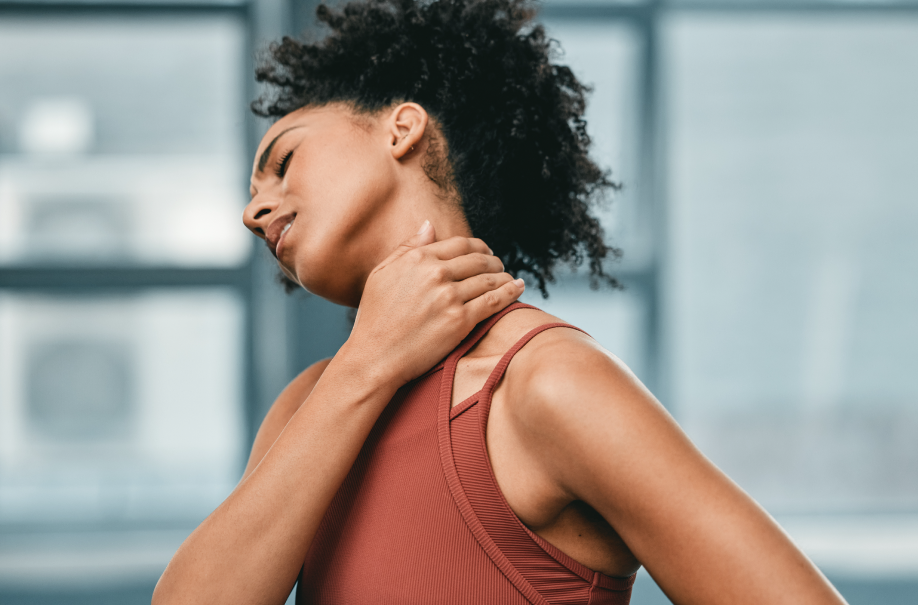
Experiencing neck pain post-workout may be frustrating, painful, and sometimes concerning. This is especially true when you’re trying to stay active, healthy, and improve your overall wellbeing. While some neck discomfort may be normal, especially if you’re incorporating a new exercise into your workout routine, lingering or sharp neck pain may be cause for greater concern and should be examined by a medical professional. Here at Neurosurgery & Spine Consultants, we often see patients who end up developing neck pain after activities such as weightlifting, intense cardio sessions, or even some new yoga classes or stretching exercises. Many will be unsure whether the neck pain after a workout is harmless or if it’s something to actually be concerned about. Having a better understanding of why your neck may be hurting after a workout is the first step toward preventing neck pain in the future through proper treatment, recovery, and keeping your fitness routine on track. Read on to learn more about neck pain after workouts and how we may be able to help.
Why Your Neck Might Hurt After Exercising
When you’re experiencing neck pain after a workout, it can occur for several reasons. Most of the reasons are related to posture, technique, and muscle fatigue during your workout. When the neck and shoulder muscles are overworked due to a new exercise you’re trying out or improper posture and form, it may result in overcompensation within weaker muscle groups. The overcompensation then may lead to pain developing over the next few hours to a few days following the exercise session. Weightlifting movements such as shoulder presses, shrugs, chest exercises, and squats may end up placing excess strain on the neck if the surrounding muscles are not properly stabilized throughout the exercise routine.
Cardio workouts may contribute to neck discomfort after exercising as well. An example of this could be running with overly tense shoulders, cycling with poor head posture, or jogging on the treadmill while looking at a phone or screen with poor head posture (craning). Even abdominal exercises may end up causing neck pain if you’re performing the exercises improperly. An example of this includes pulling your neck forward while doing crunches and engaging your core.
Most forms of post-workout neck pain are caused by overexertion and straining of the surrounding muscle groups. In some rare cases, it may be caused by underlying issues such as a cervical disc problem or a pinched nerve which could become much more noticeable after physical activity and inflammation of the preexisting injury.
What You Can Do Right Away to Relieve the Pain
When you first begin to notice the neck pain after a workout, giving yourself the time to rest and recover is truly essential. Gentle movement throughout the day, if tolerable, will help to prevent stiffness from building up. Try to avoid anything which will cause a sharp pain or increase in pain. Let the pain be your guide as to what you can and cannot do. Listen to your body.
Choosing to apply heat or ice to the affected area can be helpful depending on the type of discomfort you’re experiencing. Heat works well for tight, tense muscles and can relieve soreness after a strenuous workout. A warm shower can be just what you need to help relax those tense muscle groups near your neck. If the pain feels more inflammatory, especially if it’s a sharp pain, ice will most likely be more effective in relieving your discomfort. Apply the ice pack to the affected area for no more than 20 minutes at a time with a few hours in between each icing session. If the pain hasn’t resolved within a few days, it’s likely something to be concerned about and you should contact your doctor.
Maintaining good posture after your workout is equally important. Many people unconsciously tense their shoulders or crane their heads forward when sitting at a desk or looking at a screen. Correcting posture throughout the day reduces strain on the neck and helps the soreness fade more quickly.
Maintaining proper posture both during and after your workout is important. Many people will unconsciously tighten or tense their muscles when working out to an excessive degree. This may result in delayed onset muscle soreness. Ensuring your posture is correct and you’re not overexerting yourself during your workouts can help in preventing neck pain post-workout.
How to Prevent Neck Pain During Future Workouts
The best way to prevent neck pain after a workout is to make the correct adjustments to your technique and your overall body mechanics while you’re actively working out. During a strength training session, you’ll want to focus on truly engaging your core muscles and keeping your neck in a neutral, comfortable position rather than allowing it to jut forward or tilt awkwardly. If you’re noticing your shoulders tend to tense up when lifting weights, it may be a good idea to lower the amount of weights you’re lifting until you’re able to perform each repetition with the proper form.
During cardio-focused workouts, you’ll want to pay attention to your posture. Maintaining alignment between your head and spine during periods of running, cycling, or even using a rowing machine can be beneficial. Try not to look down at your phone or any other screen for any period of time longer than a few seconds, or not at all. Craning your neck during exercise routines can greatly increase tension and strain, increasing the odds of injury.
Strengthening the muscles around your neck, shoulders, and upper-back will likely significantly reduce the risk factor of injuries during a workout routine. When any muscle group is stronger and balanced, it has the ability to properly support the surrounding muscle groups and improve reflexes, reaction time, stamina, and posture. Through this strengthening of supporting muscle groups, you’re able to reduce the overall workload placed upon the smaller, sensitive neck muscles.
When Neck Pain After a Workout Could Signal Something More Serious
Most cases of neck pain post-workout will be temporary and often improve within 24 hours to a few days. With this being said, certain neck pain symptoms may indicate something more serious is occurring. Neck pain which radiates into the arms, numbness or tingling in your hands, any worsening stiffness, or weakness in your shoulders and surrounding muscle groups could possibly indicate an irritation of the cervical spinal nerves or a disc issue.
If you’re experiencing any form of sudden or sharp pain during your workout, or your symptoms continue to worsen over time, you’ll want to have your neck properly evaluated by a spine specialist. Early diagnosis and necessary treatment of the problem can help prevent small issues from transforming into big problems.
When to Seek Professional Care
If your neck pain lasts more than a few days, interferes with your workouts, or causes nerve-related symptoms, you’ll want to seek out medical care.
Our team at Neurosurgery & Spine Consultants is here to help determine the root cause of your neck pain and if necessary, build a customized treatment plan to have you back to a healthy state as soon as possible. Many of our patients with neck pain have found relief through conservative treatment care plans which include physical therapy, posture training, targeted strength training, and daily stretching routines. Surgery is always the last resort option.
Choose Neurosurgery & Spine Consultants
If your neck hurts after a workout, the pain can certainly be discouraging. With the right approach, neck pain doesn’t have to halt your fitness goals. Through utilizing the right recovery methods, incorporating mindful techniques, and becoming aware of your posture, you’ll be able to continue exercising with safety and confidence top of mind. Our team of experts is here to help. Feel free to contact us using the form below and we’ll be sure to have you seen by one of our amazing team members as soon as possible. We look forward to hearing from you soon.
DISCLAIMER: No content on this site, regardless of date, should ever be used as a substitute for direct medical advice from your doctor or other qualified clinician.